Нисгэгчгүй нисэх онгоц (UAV) дронууд нь төрөл бүрийн салбарт хурдацтайгаар чухал хэрэгсэл болж, хосгүй уян хатан байдал, үр ашгийг санал болгож байна. Энэ нийтлэлд бид UAV дронуудын ажиллах зарчмуудыг судлах бөгөөд гол онцлог, функцуудыг нь онцлон тэмдэглэх болно.
Танилцуулга
Нисгэгчгүй нисэх онгоцны дронууд нь хөдөө аж ахуйн судалгаанаас эхлээд өндөр нягтралтай дүрслэл, аюулгүй байдлын үйл ажиллагаа хүртэлх ажлуудыг гүйцэтгэх арга барилыг өөрчилсөн. Мэргэжлийн хэрэглээнд эсвэл хувийн хоббид ашиглагдаж байгаа эсэхээс үл хамааран эдгээр төхөөрөмжүүдийн хэрхэн ажилладагийг ойлгох нь тэдгээрийн үр ашиг, хэрэглээг ихээхэн нэмэгдүүлэх боломжтой. Энэхүү гарын авлагад Нисгэгчгүй нисэх онгоцны дронуудын дотоод үйл ажиллагааг гүнзгийрүүлэн судлах бөгөөд Digital Eagle дрон хэрхэн ажилладаг, бусад загваруудаас юугаараа ялгаатай болохыг онцлон тэмдэглэх болно.
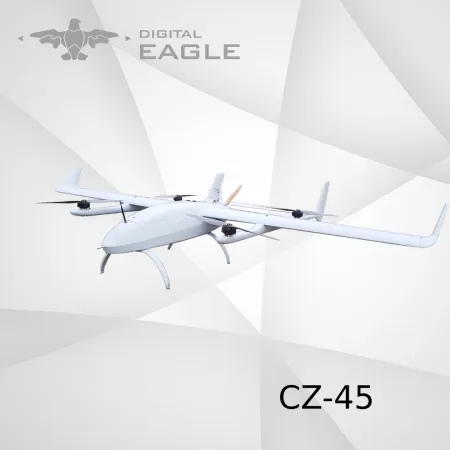
ХБА-ны дроны ажиллах зарчим
ХБА-ны бүрэлдэхүүн хэсгүүд
- Мотор ба сэнс
- Мотор болон сэнс нь аливаа нисгэгчгүй нисэх онгоцны дроны гол хөдөлгүүрийн систем юм. Digital Eagle дронууд нь гүйцэтгэл болон урт наслалтыг хангах зориулалттай бат бөх мотортой.
Эдгээр бүрэлдэхүүн хэсгүүд нь өргөлтийг бий болгож, дроны нислэгийн динамикийг хянахын тулд хамтдаа ажилладаг.
Нислэгийн удирдлагын систем
- Нислэгийн удирдлагын систем нь нисгэгчгүй нисэх онгоцны дроны гол цөм юм. Энэ нь өндрийг хянахаас эхлээд чиглэлийг тогтворжуулах хүртэл дроны нислэгийн бүх талыг удирддаг.
Digital Eagle дронууд нь нарийн хяналт болон тогтвортой байдлыг хангахын тулд дэвшилтэт алгоритмуудыг ашигладаг.
![Худалдах зориулалттай нисгэгчгүй нисэх онгоцны дроны үндсэн ажиллах зарчим 2]()
Мэдрэгч
- GPS: GPS (Дэлхийн Байршил Тодорхойлох Систем) нь дроны байршлыг хянах, навигаци хийхэд чухал үүрэгтэй.
- Хурдасгуур хэмжигч ба гироскоп: Эдгээр мэдрэгч нь дроны чиглэл болон хөдөлгөөний талаарх мэдээллийг өгч, тогтвортой нислэгийг хадгалахад тусалдаг.
Лидар болон дулааны дүрслэл: Лидар болон дулааны дүрслэл зэрэг дэвшилтэт мэдрэгчүүд нь дроны янз бүрийн хэрэглээнд ашиглах чадварыг сайжруулдаг.
Батерей
- Батерей нь бүх системд шаардлагатай эрчим хүчийг өгдөг. Digital Eagle дронууд нь нислэгийн хугацааг уртасгах өндөр хүчин чадалтай, удаан эдэлгээтэй батерейгаар тоноглогдсон.
Нисгэгчгүй нисэх онгоц (NAV) хэрхэн ажилладаг вэ
Нислэгийн удирдлага ба навигаци
- Нислэгийн удирдлагын систем нь нислэгийн янз бүрийн талыг удирдахын тулд мэдрэгчийн өгөгдлийг ашигладаг, үүнд:
- Өндрийн хяналт: Агаар мандлын нөхцөл байдлын өөрчлөлтийг эсэргүүцэхийн тулд моторыг тохируулах замаар тогтвортой өндрийг хадгалах.
- Чиглэлийн удирдлага: GPS координатыг ашиглан дрон хүссэн чиглэлд нисэхийг баталгаажуулна.
- Тогтворжуулалт: Дроныг тогтвортой байлгахын тулд гироскоп болон хурдатгал хэмжигч ашиглан өнцөг, өнхрөлт болон хазайлтыг тохируулна.
Харилцаа холбоо ба өгөгдөл дамжуулах
- Радио давтамжийн (RF) холбоо: ХБА-ны дронууд нь оператороос команд хүлээн авч, өгөгдөл дамжуулахын тулд RF холбоог ашигладаг.
- Өгөгдөл дамжуулах: Дрон нь газрын удирдлагын станц руу шууд видео, зураг, мэдрэгчийн өгөгдөл болон бусад мэдээллийг бодит цаг хугацаанд дамжуулах боломжтой.
Эрчим хүчний менежмент
- Батерейны систем нь оновчтой гүйцэтгэлийг хадгалахад чухал үүрэгтэй. Digital Eagle дронууд нь батерейны түвшинг хянаж, үр ашигтай ашиглалтын талаар сэрэмжлүүлэг өгдөг ухаалаг батерейны удирдлагын системтэй:
- Эрчим хүчний хэмнэлттэй горим: Нислэгийн үеэр эрчим хүчний оновчтой хэрэглээг хангаж, батерейны ашиглалтын хугацааг уртасгана.
- Ухаалаг батерейны анхааруулга: Батерей дуусах үед операторт мэдэгдэнэ.
Дижитал бүргэд дроны үндсэн шинж чанарууд
Дэвшилтэт нислэгийн удирдлагын систем
- Автомат нислэгийн горимууд:
- Хүрэх горим: Дроныг тогтмол байрлалд байлгадаг тул удаан хугацааны ажиглалт хийхэд тохиромжтой.
- Дагах горим: Дроныг тогтоосон зам эсвэл байг автоматаар дагах боломжийг олгоно.
Замын цэгийн навигаци: Нислэгийн замыг тодорхой замын цэгүүдээр тохируулж, нарийн хамрах хүрээг баталгаажуулна.
Тохируулж болох нислэгийн замууд:
- Хэрэглэгчид тодорхой газар нутгийг хамрах эсвэл урьдчилан тодорхойлсон маршрутыг дагаж нислэгийн замыг програмчилж, дроныг янз бүрийн хэрэглээнд илүү уян хатан болгож чадна.
Ухаалаг мэдрэгч ба өгөгдөл цуглуулах
- Өндөр нягтралтай камер:
- Digital Eagle дронууд нь нарийвчилсан зураг, видео бичлэг хийх чадвартай өндөр нягтралтай камераар тоноглогдсон.
Олон камерын сонголтууд: Өргөн өнцөгт, телефото болон загасан нүдний линз зэрэг олон камерын тохиргооноос өөр өөр хэрэгцээнд тохируулан сонгоорой.
Лидар ба Дулааны Дүрслэл:
- Лидар (Гэрлийг илрүүлэх ба хүрээг тодорхойлох): Нарийвчилсан 3 хэмжээст зураглал болон газрын гадаргын шинжилгээг хийх боломжийг олгодог бөгөөд судалгаа болон хүрээлэн буй орчны хяналт шинжилгээнд хэрэгтэй.
- Дулааны дүрслэл: Хөдөө аж ахуй, аюулгүй байдал, үйлдвэрлэлийн хэрэглээнд дулааны тэмдгийг илрүүлэхэд тохиромжтой температурын өгөгдлийг авдаг.
Батерейны ашиглалтын хугацаа ба үр ашиг
- Удаан эдэлгээтэй батерей:
Digital Eagle дронууд нь нислэгийн хугацааг уртасгах зориулалттай хүчирхэг, өндөр багтаамжтай батерейтай.
Ухаалаг батерейны менежмент:
- Ухаалаг системүүд нь батерейны хэрэглээг хянаж, эрчим хүчний хэрэглээг оновчтой болгож, засвар үйлчилгээ шаардлагатай үед анхааруулга өгдөг. Энэ нь дроныг ашиглахад үргэлж бэлэн байлгах боломжийг олгодог.
Дижитал Ийгл нисгэгчгүй нисэх онгоц ашиглахын ашиг тус
Хэрэглээний олон талт байдал
- Хөдөө аж ахуй болон байгаль орчны хяналт шинжилгээ:
Digital Eagle дрон нь хөдөө аж ахуйн судалгаа, ургацын эрүүл мэнд, нөхцөл байдлыг хянахад тохиромжтой. Тэд мөн хөрсний чанар, усны түвшин гэх мэт мэдээллийг цуглуулснаар хүрээлэн буй орчны хяналтад тусалж чадна.
Газрын зураглал ба судалгаа:
Өндөр нягтралтай камер болон Lidar системүүд нь Digital Eagle дронуудыг нарийвчлалтай судалгаа, нарийвчилсан газрын зургийн төслүүдэд төгс төгөлдөр болгодог.
Аюулгүй байдал ба хяналт:
- Дэвшилтэт дулааны дүрслэл болон цогц камерын сонголтуудтай Digital Eagle дрон нь аюулгүй байдал болон хяналтын ажлуудыг маш сайн гүйцэтгэдэг. Энэ нь том талбайг хянаж, гажигийг бодит цаг хугацаанд илрүүлэх боломжтой.
![Худалдах зориулалттай нисгэгчгүй нисэх онгоцны дроны үндсэн ажиллах зарчим 3]()
Дүгнэлт
Эцэст нь хэлэхэд, Digital Eagle нисгэгчгүй нисэх онгоц нь олон төрлийн хэрэглээнд зориулсан бат бөх, дэвшилтэт шийдлийг санал болгодог. Хамгийн сүүлийн үеийн нислэгийн удирдлагын систем, ухаалаг мэдрэгч, үр ашигтай эрчим хүчний менежментийн ачаар мэргэжлийн хүмүүс болон сонирхогчдын хувьд шилдэг сонголт болж байна. Digital Eagle нисгэгчгүй онгоцны ажиллах зарчим, гол онцлогуудыг ойлгосноор хэрэглэгчид түүний боломжийг дээд зэргээр ашиглаж, төслүүддээ илүү сайн үр дүнд хүрэх боломжтой.



